The 'New 2016': Understanding Today's Nostalgia Wave
Have you noticed your feeds filling up with memories from just a decade ago? The '2026 is the new 2016' trend isn't just a fleeting hashtag; it's a reflection of how we process the recent past in a digital world. We'll explore why this nostalgia wave is happening now and what it means for our personal memories.
Patrick Moore, Founder • August 11, 2026
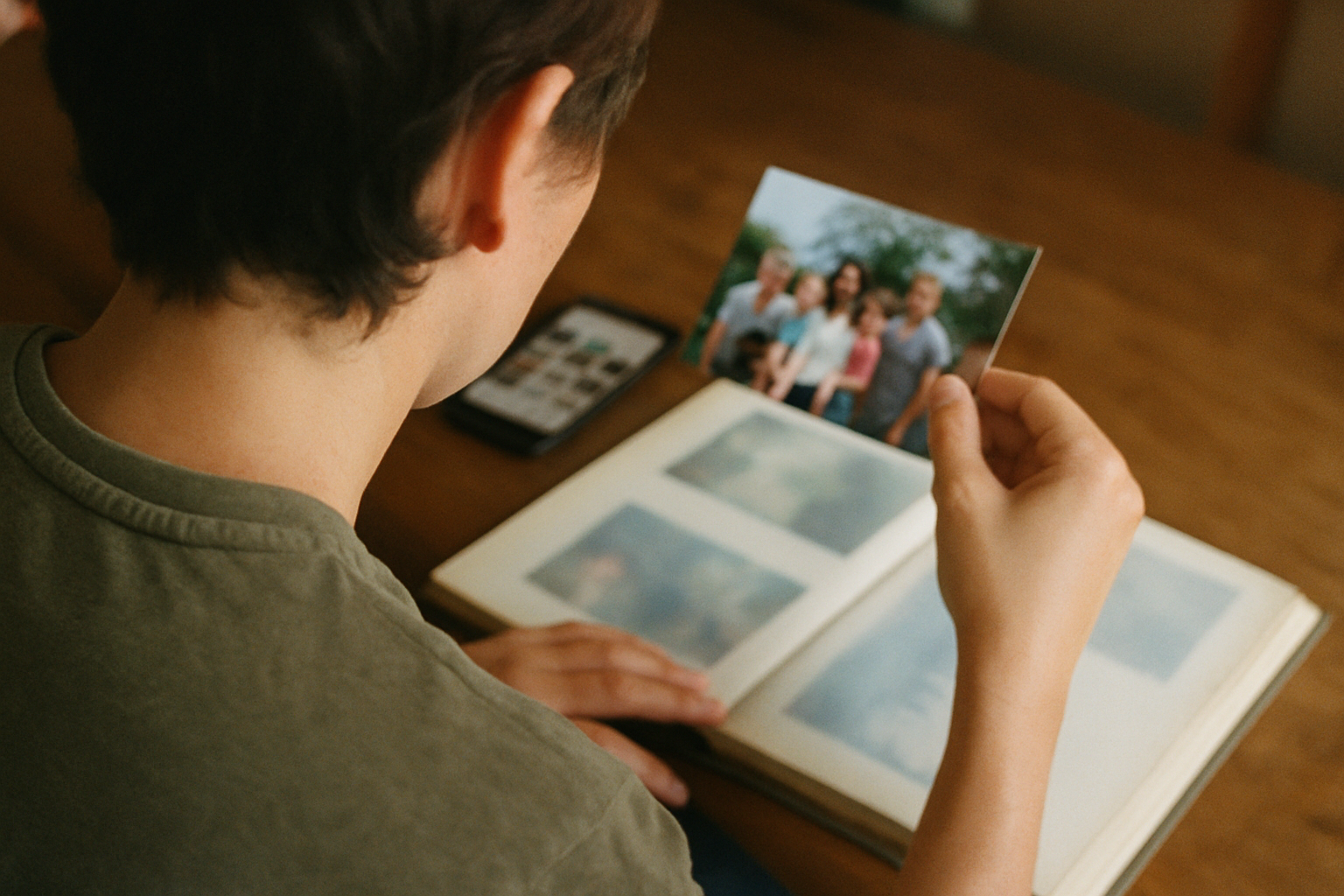
You’re scrolling through your phone, and a photo pops up. It’s from ten years ago. 2016. The clothes look familiar, but just slightly off. You remember the song that was playing everywhere that summer, the phone you were holding, the sense of what felt important that day.
It feels like it was just yesterday, but also like it belongs to a completely different geological era. This strange temporal whiplash is happening to millions of us right now. According to a recent headline from centraljersey.com, we’re in the middle of a major trend: “‘2026 Is the New 2016’: Inside the Nostalgia Wave Taking Over Your Feed.”
This isn’t just a random hashtag. It’s a fascinating look at how our relationship with time and memory is changing in the digital age. Why are we collectively looking back at a time that’s only a decade past? And more importantly, what does this trend tell us about how we should preserve the memories that truly matter?
The short answer
The “2026 is the new 2016” trend reflects an accelerated nostalgia cycle, driven by social media’s constant archiving and resurfacing of our recent past. The rapid pace of technological and social change over the last decade makes 2016 feel like a distinct, knowable era. This creates a potent mix of personal and collective longing for a time that seems simpler in hindsight, offering a sense of comfort and stability in a fast-moving world.
Why a Decade Feels Like a Lifetime
Historically, nostalgia has operated on a roughly 20-year cycle. Adults in the ‘90s were nostalgic for the ‘70s; in the 2010s, the ‘90s came roaring back. This 20-year gap provided enough distance for the awkward parts to fade, leaving a burnished, idealized version of the past. It was also the time it took for the kids of that era to become the adults driving culture.
But ten years? That feels new. 2016 doesn’t seem that long ago, yet it’s become a potent source of reminiscence. Part of the reason is that the decade between then and now has been one of immense, dizzying change. The world of 2016—pre-pandemic, with different political landscapes, and at a different stage of the AI revolution—feels like a distinct chapter.
Think about the cultural markers of that year. Pokémon GO had people wandering the streets, staring at their phones in a way that was still novel. The musical Hamilton was a phenomenon. Instagram was still chronological and mostly about photos. These shared cultural touchstones create a strong sense of a specific “era.” When we see them again, they transport us back, not just to a year, but to a feeling.
How Our Feeds Fuel the Fire
The single biggest driver of this accelerated nostalgia is technology. Our phones and the platforms on them have become our de facto memory keepers. Features like Apple Photos’ “Memories,” Instagram’s “On This Day,” and Facebook’s reminders are constantly serving us our own past, packaged for easy consumption.
We are the first generations to have a high-fidelity, searchable, and algorithmically-curated archive of our own recent lives. Every photo, status update, and check-in from 2016 is still there, waiting to be resurfaced. This creates a powerful feedback loop: the platforms show us a memory, we feel a pang of nostalgia, we engage with it, and the platform learns to show us more. The science of digital forgetting shows how this can reshape our recall, prioritizing what the algorithm deems important.
This digital memory machine has its benefits, but it also has significant drawbacks.
Instant Access to Memories
Social media makes it incredibly easy to recall moments we might have otherwise forgotten. A photo of a casual weeknight dinner or a funny video of a pet can bring back a flood of positive feelings. The social context is preserved, reminding us of the friends and conversations that surrounded that moment.
Algorithmic Curation
The memories we see are not chosen for our emotional well-being; they're chosen for engagement. Platforms tend to surface polished, happy moments that get lots of likes. This can create a skewed, overly rosy, and incomplete picture of the past, glossing over the challenges and complexities that give our stories meaning.
From Collective Trend to Personal Story
So, what does this all mean for those of us who care deeply about preserving family history? The “2026 is the new 2016” trend is a powerful prompt. It’s a collective invitation to look back. But it’s crucial to ask ourselves: what are we looking back at?
A public feed of curated highlights is one thing. A private, meaningful collection of your family’s actual stories is another entirely. The former is a performance of memory; the latter is the act of preservation. The nostalgia we feel when scrolling is real, but it’s often shallow. It’s a recognition of a shared cultural moment, not necessarily a deep connection to our own unique story within it.
The Nostalgia Pendulum
Psychologically, nostalgia often serves as a comforting response to present-day stress and uncertainty. By looking back at a time we successfully navigated, we gain a sense of stability and continuity. The past, even a complicated one, is a known quantity. The current nostalgia for 2016 isn't just about liking the music; it's about seeking refuge from the unknowns of 2026 in the familiar territory of our recent past.
True preservation goes deeper than a throwback post. It’s about capturing the context, the feelings, and the un-shareable moments. It’s the story your dad told you in the car on the way to that 2016 family reunion, not just the filtered group photo you posted from it. And for those stories, you need a space that values privacy at its heart.
Curating What Truly Matters
The fundamental problem with relying on social media as our family archive is that we lose control. We don't control the algorithm, the privacy policies, or even whether the platform will exist in another ten years. The memories are subject to a company’s business model, not your family’s legacy.
This is why we built Memory Murals. We believe that family memories deserve a dedicated, private home—a place where you are the curator. A place to escape the noise and the algorithm and focus on the stories that define your family. It’s a way to take the prompt of nostalgia and channel it into something meaningful and lasting.
Instead of just seeing a photo from 2016, you can pair it with a voice recording of your mom explaining what was happening just out of frame. You can add the text of a funny family group chat from that week. You can build a rich, multi-layered story that captures the truth of the moment, not just its shareable highlight.
It's about creating a space where the context isn't lost, a place you can build with your family. If you're ready to create a private, secure family archive that you control, you can begin building your Memory Mural today.
The nostalgia wave for 2016 will eventually crest and be replaced by longing for 2017, then 2018, and so on. These trends will come and go. But the underlying human need to understand where we come from, to connect with our own past, and to share our stories with the people we love—that is timeless. The goal isn’t just to remember a year, but to preserve the meaning of our lives within it, for ourselves and for the generations who will want to know our stories.
Get 50 questions to ask your parents — before the stories are gone
The exact prompts families use to draw out the stories nobody ever wrote down. Free, straight to your inbox.
No spam. Unsubscribe anytime.
Frequently asked questions
What does '2026 is the new 2016' mean?
This phrase describes a cultural trend where people are feeling intensely nostalgic for life a decade ago, specifically the year 2016. It's fueled by social media, where photos, music, and memes from that era are resurfacing. The trend highlights how our nostalgia cycles seem to be accelerating, with the recent past becoming a popular subject for reminiscence much faster than in previous generations. It reflects a collective longing for a time that feels both recent and distinctly different from today.
Why are we nostalgic for the recent past?
Nostalgia for the recent past, like 2016, often stems from rapid societal change. The last decade has seen significant shifts, making the 'before times' feel stable and comforting. Digital technology also plays a huge role; platforms like Instagram and Facebook constantly serve us 'memories' from 5 or 10 years ago, keeping that era fresh in our minds. This creates a powerful feedback loop where we're prompted to remember, and that remembering feels good in the face of present-day uncertainty.
How does social media influence nostalgia?
Social media acts as a powerful engine for nostalgia. 'On This Day' features automatically resurface old posts, photos, and videos, triggering memories we might not have recalled on our own. Algorithms then amplify trending throwback content, creating collective nostalgia waves like '2026 is the new 2016.' This curated and often idealized version of the past is constantly accessible, shaping how we remember and encouraging a public performance of reminiscence through shares and comments.
Is nostalgia for recent years a new phenomenon?
While nostalgia itself is timeless, the speed of the cycle is new. Previously, nostalgia operated on a 20-to-30-year cycle, as seen with 80s nostalgia in the 2000s. The current focus on a period only ten years prior is a more recent development. This acceleration is largely driven by the internet and social media, which have created a detailed, searchable, and constantly resurfaced archive of our very recent lives, making it easier to feel nostalgic for them sooner.
What's the difference between personal and collective nostalgia?
Personal nostalgia is your unique, individual longing for your own past experiences—a specific family vacation or a childhood memory. Collective nostalgia is a shared feeling of longing for a past era experienced by a group or culture, like the '2026 is the new 2016' trend. It's tied to shared cultural touchstones like music, movies, or major events. The two often intertwine; a trending song from 2016 (collective) can trigger a very specific personal memory of where you were when you heard it.
About the author
Patrick Moore, Founder of Memory Murals
Patrick Moore is the founder of Memory Murals. He built it after realizing how much of his own family's history had quietly slipped away — to help families preserve their stories, voices, and photos while they still can.
Related Stories
Insights
Nostalgia's Grip: Why We Can't Clear Our Parents' Homes
The task of clearing a parent's home is more than just sorting objects; it's an emotional excavation. Every item holds a story, and nostalgia can make it feel impossible to let go. This post explores why we feel this way and offers gentle strategies for honoring memories without keeping everything.
Patrick Moore • August 8, 2026
Insights
Is Social Media Rewriting Your Childhood? The Hidden Science of "Digital Forgetting"
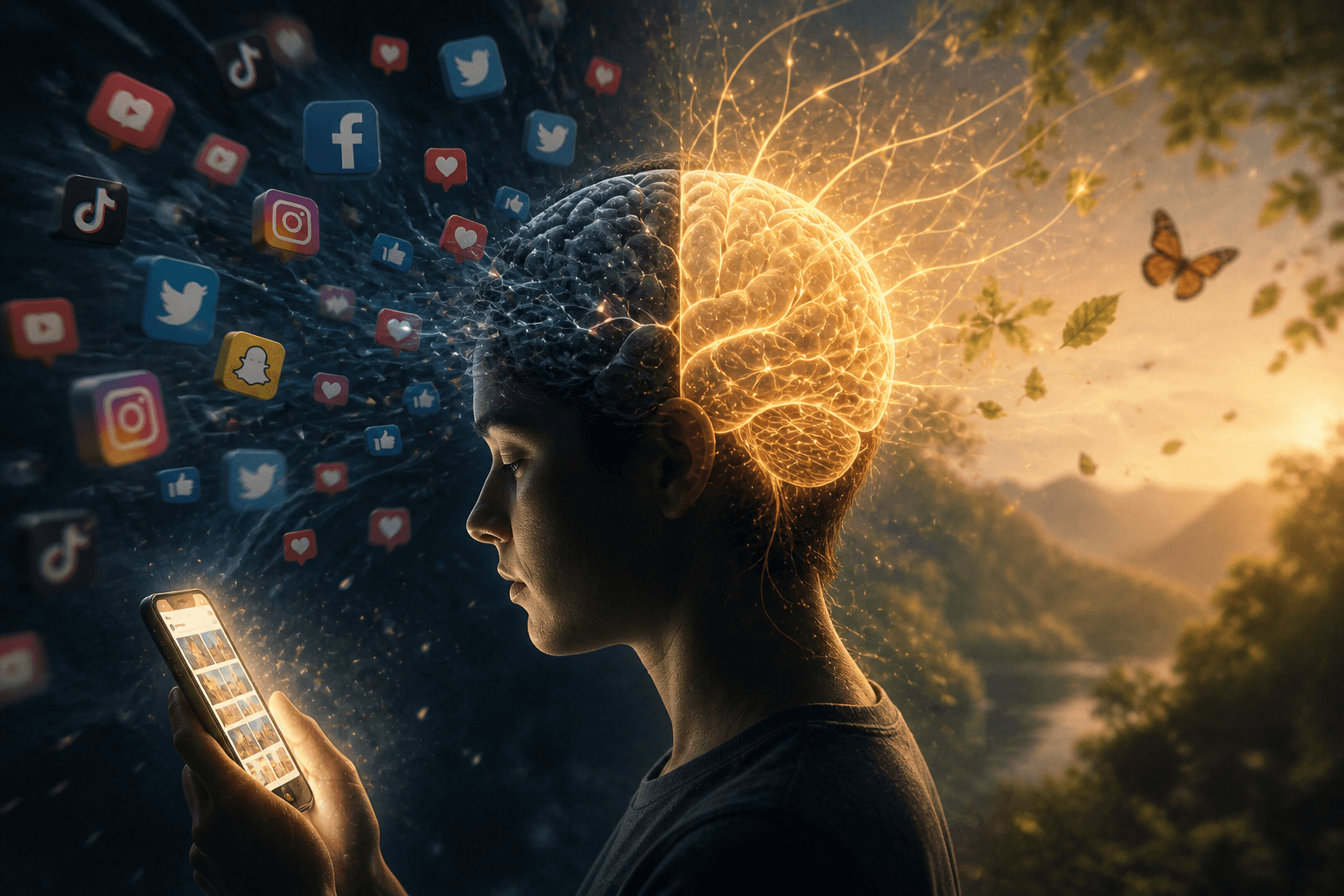
New research shows sharing photos online sharpens what's in-frame while erasing surrounding context. Here's how to protect the full story behind your memories.
Patrick Moore • February 21, 2026
Insights
New Study Suggests We're Wrong About How the Brain Stores Memory
Recent neuroscience research is challenging long-held beliefs about how our brains store memories. This new understanding suggests memories aren't static files but are actively reconstructed each time we recall them. What does this mean for the stories we cherish and the ways we try to preserve them?
Patrick Moore • September 1, 2026
Preserve your family's memories in one private place.
Start free in minutes. No credit card required.