Creating a Family Memory Box
A shoebox of old photos is a start, but a truly meaningful family memory box tells a story. Discover creative ideas for what to include, how to organize it, and how to protect these physical treasures for generations by bridging the gap between the tangible and the digital.
Patrick Moore, Founder • September 23, 2026
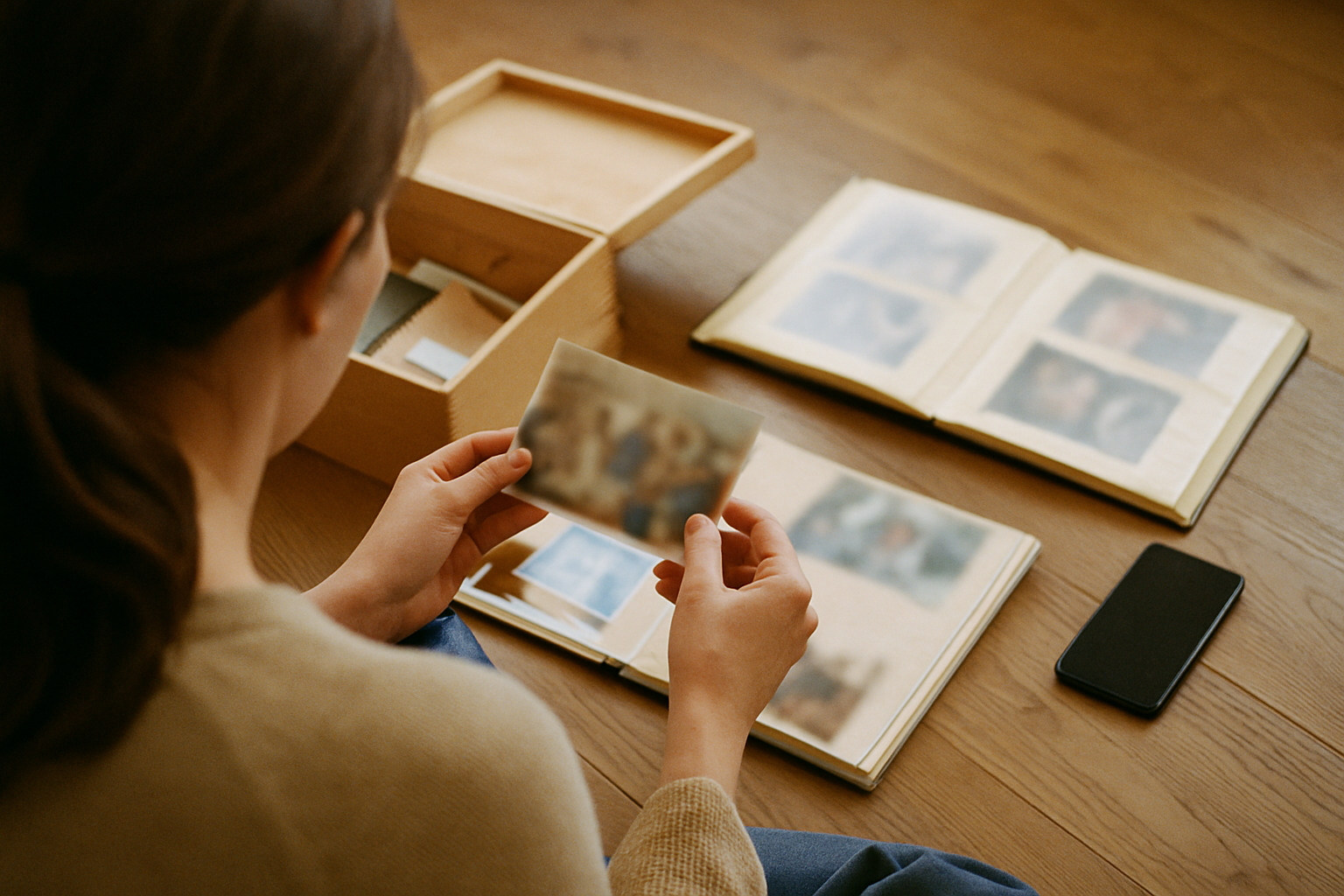
Picture this: a dusty, cedar-scented chest in your parents' attic. Inside, nestled between a yellowed wedding dress and a stack of vinyl records, is a shoebox. It’s heavy with the chaotic, unlabeled story of a life—faded Polaroids, a single baby shoe, a military medal, a bundle of letters tied with a ribbon. It’s a treasure, but it’s also a puzzle with half the pieces missing.
This is the beautiful challenge of a family memory box. It’s more than a container for old stuff; it’s a time capsule, a physical anchor to the stories that define your family. But how do you create one that future generations can not only discover, but understand? How do you move beyond a random assortment of artifacts to curate a legacy?
Building a family memory box is an act of profound love. It’s about choosing what matters, preserving it with care, and ensuring the context—the why behind each object—isn’t lost to time. It’s about creating a bridge between the hands that held these items and the hands that will one day unpack them.
The short answer
Great family memory box ideas focus on capturing a full life story, not just collecting objects. Include a mix of items: key documents (birth certificates, diplomas), photographs with names and dates, handwritten letters or recipes, and small physical objects like jewelry, medals, or a favorite trinket. The goal is to curate a collection that tells a story, organized with labels and notes to provide context for future generations who may not know the people or events involved.
What Kind of Box is Best?
Before you start gathering memories, consider the container itself. The box you choose is the first line of defense against time, moisture, and pests. While any sturdy shoebox is better than nothing, investing in a proper container can make all the difference.
- Archival-Quality Boxes: These are the gold standard for preservation. Made from acid-free, lignin-free materials, they won't discolor or damage your items over time. They are often sold by companies specializing in photo or document preservation. They might seem plain, but their purpose is protection, not decoration.
- Wooden Chests: A beautiful wooden box can become an heirloom in itself. Look for one made of a stable wood like cedar (which has natural pest-repellent properties) or pine. Ensure it has a well-fitting lid but isn't airtight, as that can trap moisture.
- Metal Tins or Trunks: Vintage tins or small trunks can add a wonderful aesthetic, but be cautious. Metal can rust and may not be ideal for direct contact with fragile photos or papers. Consider lining the inside with archival-safe paper or placing items in individual acid-free sleeves first.
A Note on Plastic Bins
While convenient, most clear plastic storage bins are not ideal for long-term preservation. They can emit chemicals that accelerate the deterioration of paper and photos, and they can trap humidity, leading to mold. If you must use plastic, look for containers specifically marked as "archival safe" or "polypropylene."
Curating the Contents of a Life
Now for the heart of the project: what goes inside? The goal is to paint a picture of a person's life, their personality, their relationships, and their world. Think beyond just photos and documents. Think about all five senses.
The Foundational Documents
Copies (not originals, if possible) of birth certificates, marriage licenses, diplomas, military discharge papers, and other key life certificates. These provide the factual backbone of a life story.
Photographs & Negatives
The most obvious inclusion, but with a crucial step: context. Include photos from all life stages. On the back of prints (using an archival-safe pencil), or on a separate note, write who is in the photo, the date, and the location or event. If you have them, what to do with parents' photo collection is a critical next step.
Handwritten History
Letters, postcards, journals, and diaries are pure gold. They capture a person's voice and state of mind in a way nothing else can. A handwritten recipe card for a beloved family dish tells a story of comfort and tradition. Here's our guide on how to digitize and archive family letters.
Meaningful Objects (The 'Smalls')
This is where the personality shines through. Include a favorite piece of costume jewelry, a military medal, a well-worn pocketknife, a ticket stub from a significant concert, a dried flower from a wedding bouquet, or a child's first drawing.
From Shoebox to Archive: Adding Context
A box of unlabeled artifacts is a mystery. A well-organized memory box is a story waiting to be read. This is the step that transforms your collection from clutter into a curated legacy.
How to Organize Your Memory Box
Gather and Sort
Spread everything out. Group items chronologically (childhood, young adulthood, etc.) or thematically (family, career, hobbies). This helps you see the narrative of the life you're preserving and identify any gaps.
Label Everything
This is the single most important step. Use acid-free paper to create labels. For objects, use a simple string tag. For photos, write on the back with a photo-safe pencil. Explain what the item is and why it's significant. "Grandma's locket, a gift from Grandpa on their 10th anniversary in 1962."
Protect the Items
Place individual photos, letters, and newspaper clippings in archival-safe plastic sleeves or paper envelopes. This prevents ink transfer and damage from items touching each other. Wrap fragile objects in acid-free tissue paper.
Create an Inventory
Include a "table of contents" on a sheet of paper right at the top of the box. This guide can explain the organization system and highlight a few key items, providing an introduction for the person opening the box for the first time.
The Bridge to a Digital Future
A physical memory box is a priceless, tangible connection to your family's past. But it's also uniquely vulnerable. A single fire, flood, or even just a basement leak could erase it forever. This is why the final, crucial step in preserving your legacy is to create a digital counterpart.
The Magic of a Physical Box
The tactile experience of holding a grandparent's letter or seeing a parent's baby photo is irreplaceable. It offers a powerful, multi-sensory connection to the past and encourages a slow, deliberate process of discovery.
The Fragility of a Physical Box
Physical objects are vulnerable to fire, water damage, pests, and simple decay. A single box can only be in one place at a time, making it difficult to share with geographically scattered family members. Context can be lost if labels fall off or fade.
This is where the physical and digital worlds can work together beautifully. By digitizing the contents of your memory box, you're not replacing it; you're insuring it. You're creating a backup that is safe from physical harm and can be shared with anyone, anywhere, instantly.
At Memory Murals, we built our platform for this exact purpose. A physical memory box holds the what; a digital archive like Memory Murals holds the what and the why, together and forever. You can scan that handwritten recipe, upload a photo of it, and record your mom telling the story of why it was her grandmother's favorite. You can photograph your dad's military medals and attach his service records and his own audio narration of his experiences. You're not just saving a picture of an object; you're saving its soul.
The process is simple: scan the photos and documents, and take clear, well-lit photographs of the 3D objects. Then, you can upload them to a private, secure space where you can add all the context you've gathered—the names, dates, and stories. You can even invite family members to add their own memories, enriching the story from multiple perspectives. This digital archive becomes a living, collaborative extension of your physical box.
Once you’ve captured the stories behind the items in your memory box, you’ve built something that can truly last for generations. If you're ready to start building that permanent, shareable home for your family's most important stories, you can start your Memory Murals archive today.
The act of building a memory box is a journey in itself. It’s a chance to sift through a life, to ask questions, and to understand your family's story on a deeper level. The finished box—and its digital twin—is more than a collection of memories. It’s a testament to a life lived, a legacy of love, and a gift to the future.
Get 50 questions to ask your parents — before the stories are gone
The exact prompts families use to draw out the stories nobody ever wrote down. Free, straight to your inbox.
No spam. Unsubscribe anytime.
Frequently asked questions
What should you put in a family memory box?
A great family memory box should contain a mix of items that tell a person's life story. Include foundational documents like birth or marriage certificates, annotated photos from various life stages, handwritten letters or recipe cards, and small, significant objects like a piece of jewelry, a military medal, or a favorite trinket. The key is to select items that represent their personality, relationships, and major life events, providing a well-rounded portrait for future generations.
What is the best type of box for storing memories?
The best container for a memory box is an archival-quality, acid-free box, as it offers maximum protection against decay and discoloration. A well-made wooden chest, particularly one made of cedar, is another excellent option that can become an heirloom itself. Avoid standard cardboard or plastic bins, as they can release chemicals or trap moisture over time, potentially damaging your precious items. Whatever you choose, ensure it's stored in a cool, dry, dark place.
How do I organize a family memory box?
To organize a memory box effectively, start by sorting items chronologically or thematically. The most crucial step is to label everything with names, dates, and a brief description of its significance using acid-free paper and photo-safe pens. Protect individual items in archival sleeves or tissue paper. Finally, create a simple inventory list or 'table of contents' to place at the top, guiding future family members through the collection.
How can I preserve the items in a memory box for the long term?
Long-term preservation involves two key steps. First, use archival-quality materials inside the box, such as acid-free tissue paper, photo-safe sleeves, and archival pens for labeling. This prevents items from damaging each other. Second, and most importantly, create a digital backup. Scan photos and documents, and take high-quality pictures of 3D objects. This digital archive protects your family's legacy from physical threats like fire, flood, or loss.
Should I create a physical or digital memory box?
The best approach is to create both. A physical memory box offers an irreplaceable, tangible connection to the past that you can touch and hold. A digital memory box, however, provides security, permanence, and shareability. It protects your memories from physical damage and allows you to easily share them with family anywhere in the world. The physical box holds the artifacts, while the digital archive protects and shares their stories.
About the author
Patrick Moore, Founder of Memory Murals
Patrick Moore is the founder of Memory Murals. He built it after realizing how much of his own family's history had quietly slipped away — to help families preserve their stories, voices, and photos while they still can.
Related Stories
How-To Guides
What to Do with Your Parents' Photo Collection: A Gentle Estate Guide
A practical, emotionally honest guide for going through your parents' photo collection — whether you're cleaning out a house after a death, helping a parent downsize, or staring at the boxes for the third weekend in a row. What to keep, what to let go, what to scan first, and how to forgive yourself for the parts that hurt.
The Memory Murals Team • April 28, 2026
How-To Guides
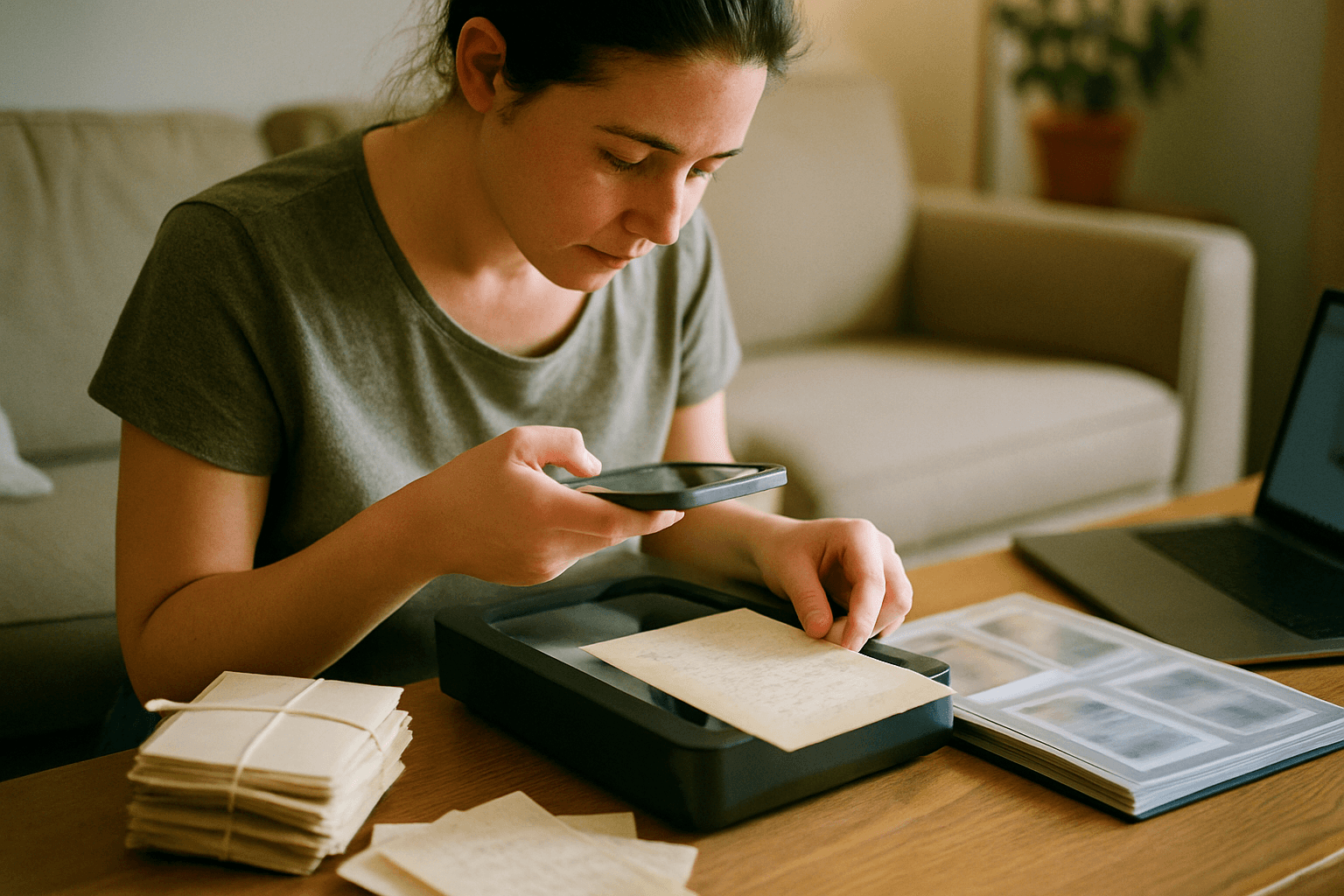
How to Digitize and Archive Family Letters (Without Damaging the Originals)
Old handwritten letters are the most fragile — and most story-rich — thing in the box. Here's how to digitize them safely (phone, flatbed, or mail-in), and how to archive them so the meaning survives, not just the image.
Patrick Moore • July 1, 2026
Gift Guides
Best Memory Gifts for New Parents: Ideas Beyond the Baby Registry
Tired of the same baby registry gifts? This guide offers unique, thoughtful memory gifts for new parents that go beyond onesies and diaper pails. Discover ideas that help capture the fleeting moments of a baby's first year, creating a lasting treasure for the whole family.
Patrick Moore • September 16, 2026
Preserve your family's memories in one private place.
Start free in minutes. No credit card required.