
Inside the HereAfter AI Experience
HereAfter AI creates a conversational avatar of a loved one from recorded stories. Is it a touching tribute or a high-tech gimmick? An honest look at how it works, the interview process, and where it fits in a family archive.
Patrick Moore, Founder • June 15, 2026
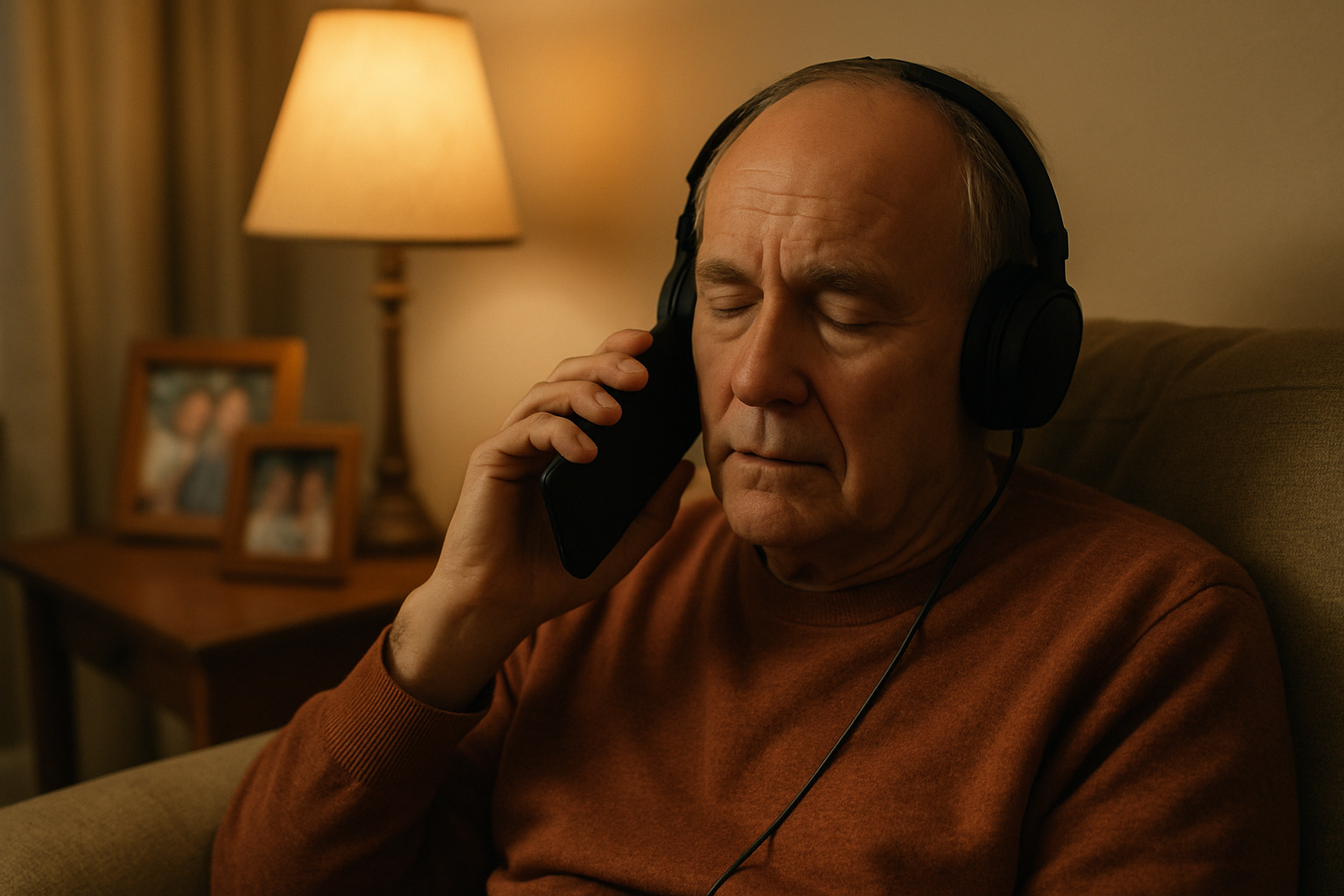
Picture a dad with one well-worn story about his first car — a beat-up Ford Falcon he bought for fifty bucks in 1972, the driver's side door held on with a bungee cord that flew open on his first date. A story the family has heard a dozen times over holiday dinners.
Now imagine asking your phone, “Tell me about your first car,” and after a moment’s pause hearing that same story in his own voice — not a recording you cued up, but his “avatar,” an interactive AI built from stories he recorded over a month. Strange, magical, and a little complicated all at once.
That's the promise of HereAfter AI: a way to bottle the essence of a person's stories and interact with them on demand. But what is the experience really like, for both the person recording and the family listening? Here's how it works and where it fits.
The short answer
This HereAfter AI review concludes that it's a powerful and emotionally resonant tool for a specific purpose: creating a conversational, voice-based interface for a loved one's stories. It works by having the person record audio answers to hundreds of prompts. An AI then intelligently plays back the relevant clips when you ask a question. It's not a true conversation but an interactive audio archive. Its value depends heavily on the storyteller's willingness to participate fully. It's less of a comprehensive family archive and more of a unique, interactive memorial.
The Core Idea: A Conversational Life Story
First, let's be clear about what HereAfter AI isn't. It is not a “deepfake” or a synthetic voice that makes up new sentences. It will not have a spontaneous, evolving conversation with you. Your dad's avatar won't be able to tell you the weather or comment on last night's game.
Instead, think of it as a beautifully designed, voice-activated search engine for your family's audio memories. The “AI” part of the name refers to the natural language processing it uses to understand your question (e.g., “What were your parents like?”) and match it to the most relevant story clip your loved one has already recorded.
So, when you ask about a story like that first car, the AI sifts through all of the recordings, finds the one where the prompt “Tell me about your first car” was answered, and plays it back. The magic is in the interface—the feeling of a conversation—but the substance is 100% authentic, pre-recorded audio.
The Onboarding and Interview Process
The entire experience hinges on getting those stories recorded — and that's the part most families are both curious and nervous about, especially when the storyteller is a great talker but not a tech enthusiast.
The process, by HereAfter's design, is meant to be gentle.
Creating a HereAfter AI Avatar
Invitation & Setup
You sign up on the HereAfter AI website and invite your parent or grandparent via an email link. They download the app on a smartphone and create a simple account. The interface is clean and straightforward.
Receiving the Prompts
Once set up, the app begins delivering daily life story prompts. They arrive like little notifications, covering everything from childhood and school to career, relationships, and personal values. The questions are thoughtful and well-crafted, a good mix of the expected and the surprising.
Recording the Stories
This is the heart of the process. The storyteller opens a prompt, taps record, and just talks. They can pause, re-record, and listen back before saving. Many find a rhythm doing a few each morning with their coffee. Some answers run 30 seconds; others are sprawling five-minute tales.
The Avatar is “Born”
As soon as the first few stories are saved, the avatar becomes active. You don't have to wait for all the questions to be answered. Invited family members can start asking questions and listening to the stories recorded so far. The collection grows with each new recording.
Storytellers often describe the prompts as a guided memoir — a way to remember things they hadn't thought about in years. While there are tons of questions to ask your dad before it's too late, having them delivered one at a time tends to feel manageable rather than overwhelming.
What Asking the Avatar a Question Is Like
Once a storyteller has recorded around 20 stories, the avatar is worth trying. You open the app, tap the microphone, and ask something simple like “What was your childhood home like?”
After a roughly three-second pause—the AI searching for the right clip—their voice answers: the little house on the corner, the creak of the third stair, the smell of baking. For families, hearing a story they'd only known in pieces told completely, in the person's own voice, is the moment the tool earns its keep.
But the experience isn't perfect. Ask a question outside what's been recorded and it will pull a tangentially related clip or say it doesn't have an answer yet. It reminds you that you're interacting with a system, not a person. This push and pull between the authentic and the artificial is at the core of the HereAfter AI experience.
The Magic of Hearing Their Voice
There's an undeniable power in asking a question and hearing the answer in your loved one's actual voice, with their unique cadence and laughter. It's a deeply emotional experience that text just can't replicate.
The Uncanny Valley
The slight delay and occasional mismatched answer break the illusion of a real conversation. This can be jarring, reminding you that you're talking to a database, which can feel a little hollow at times.
Discovering 'New' Stories
The structured prompts encourage people to share stories you might never think to ask about — a high school band, a college regret, the kind of topics that rarely come up across the dinner table.
Dependent on Interview Quality
The avatar is only as good as the stories recorded. If your loved one gives short, unenthusiastic answers, the experience will be shallow. It requires a willing and engaged participant to truly shine.
Where Does It Fit in Your Family Archive?
So, is HereAfter AI the ultimate solution for preserving a legacy? I think it's a powerful piece of a larger puzzle. It excels at one thing: conversational access to audio stories. But a life story is more than just audio Q&A.
It doesn't replace services like StoryWorth, which create a beautiful physical book from written memories—a different, but equally valuable, heirloom. If you're looking for best StoryWorth alternatives, you're likely comparing different approaches to storytelling, and HereAfter's audio-first method is a unique contender.
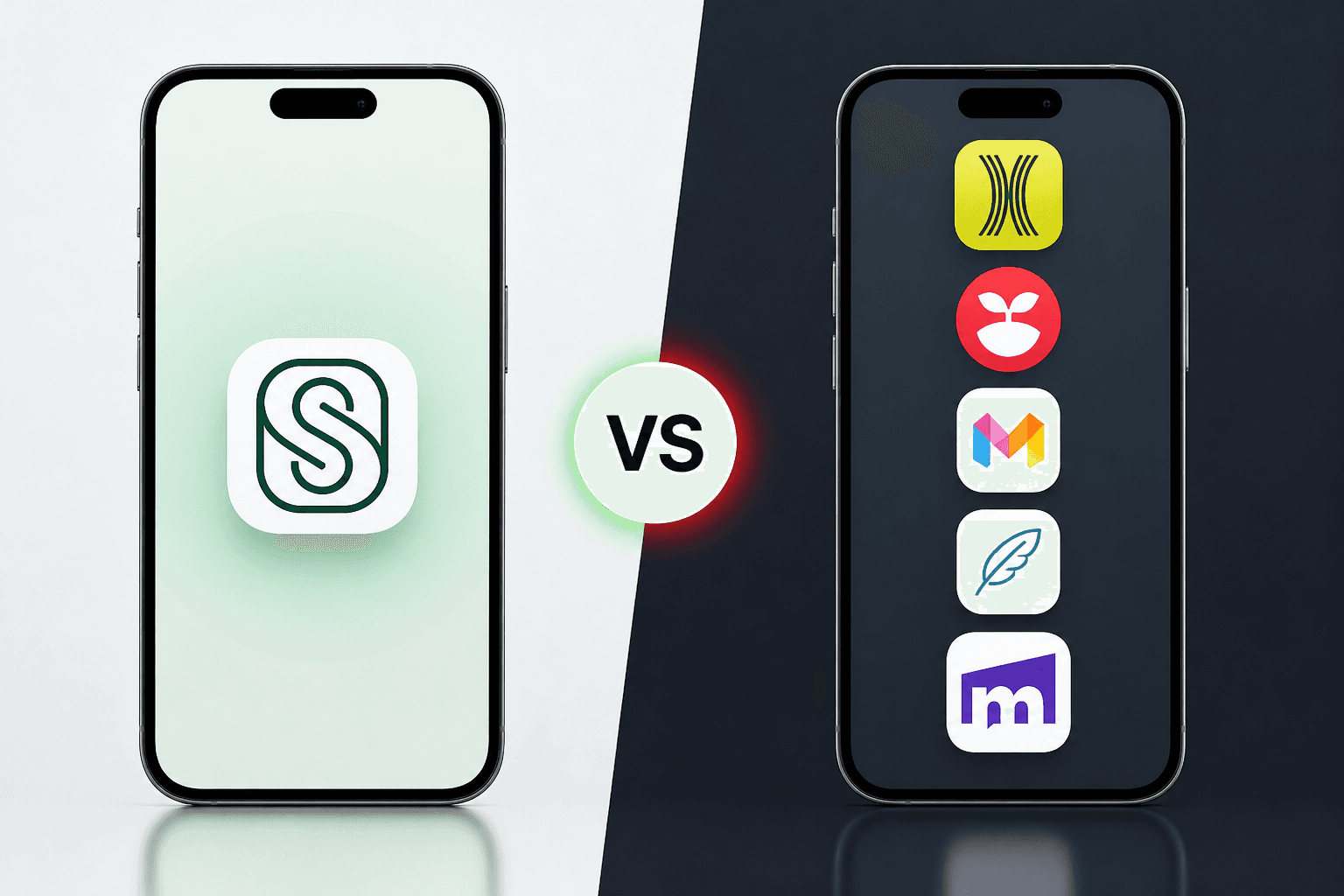
This is also where we should be transparent: at Memory Murals, we think about this problem all day. We built our platform because we believe a true family legacy needs to be a multimedia tapestry. HereAfter AI is a fascinating conversationalist, but Memory Murals is the comprehensive archivist — our HereAfter AI vs Memory Murals comparison lays the two side by side.
HereAfter AI: The Conversationalist
Memory Murals: The Archivist
The Ideal User and Potential Pitfalls
HereAfter AI is perfect for a specific kind of family. The ideal candidate is a parent or grandparent who is a willing storyteller, is comfortable using a smartphone app, and enjoys the process of structured reflection. For them, it can be a deeply rewarding and fun project.
It might be less successful for someone who is very private, technologically hesitant, or simply not a talker. You can’t force this kind of sharing. For some, the pressure to perform for an app might feel unnatural. If you're struggling to get stories, a gentle, in-person interview might be a better approach. We have a guide on how to interview your dad even if he's not a talker that could help.
A Note on AI and Grief
It's important to approach this technology with clear eyes, especially when considering its role after a loved one has passed. This avatar is a memory retrieval tool; it is not the person. It can be an incredible comfort, a way to keep their voice and stories close. But it can also be a painful reminder of their absence. It's a powerful tool for remembrance, not resurrection, and managing those expectations is crucial.
Spend time with an avatar like this and you're left with a mix of profound gratitude and thoughtful caution. Hearing a parent tell a story on demand is a remarkable gift. It’s a technological marvel that feels deeply human.
But it also underlines a bigger truth: these individual artifacts—audio clips, photos, letters—gain their deepest meaning when woven together. The avatar is one brilliant thread, but it's not the whole tapestry. The richest legacy places those audio stories alongside the photos from that era, the letters, and the home videos of the same stories told to the grandkids. This is the goal of a truly permanent digital legacy that lasts.
That's why we're building Memory Murals, a private space where all those threads can connect to tell the complete story. You can start building your family's Legacy for free today at https://app.memorymurals.com/signup.
HereAfter is also one of seven tools we ran through the same hands-on test — if you want the comparison rather than this deep dive, see how it stacks up against Remento, Storii and StoriedLife.
HereAfter AI offers a beautiful, futuristic way to keep a voice alive. It's a conversation with the past — and for the right family, a conversation well worth having. It doesn’t replace a person, but it offers a new way to appreciate them and the stories that make them who they are.
Get 50 questions to ask your parents — before the stories are gone
The exact prompts families use to draw out the stories nobody ever wrote down. Free, straight to your inbox.
No spam. Unsubscribe anytime.
Frequently asked questions
How much does HereAfter AI cost?
HereAfter AI's pricing can change, so it's best to visit their official website for the most current subscription details. They typically offer different tiers that may include a trial period or varying numbers of storytellers and interview prompts. Unlike a one-time purchase, it's usually a subscription service that covers the cost of AI processing, data storage, and app maintenance. Always check their site directly for the latest plans and features included.
What is a life story avatar?
A life story avatar, like the one created by HereAfter AI, is a digital representation of a person that you can interact with to hear their memories. It's not a thinking, conscious AI. Instead, it uses artificial intelligence to understand your questions and then plays back the most relevant audio clips from hours of pre-recorded interviews with that person. The goal is to create a conversational way to explore someone's life story in their own voice.
Can you use HereAfter AI for someone who has passed away?
HereAfter AI is primarily designed to be used with a living person who can record their own stories. However, if you have a large collection of existing audio recordings of a loved one who has passed, you might be able to work with their team to create an avatar. This is often a custom process and not their standard service. The quality will heavily depend on the clarity and content of the audio you can provide.
What's the difference between HereAfter AI and StoryWorth?
The main difference is the format. StoryWorth focuses on written stories; it emails prompts, and the person writes replies, which are later compiled into a physical book. HereAfter AI is all about audio; it uses an app for the person to record spoken answers to prompts. The final result isn't a book, but an interactive AI avatar you can talk to and hear the stories from in their actual voice.
Is HereAfter AI's avatar a deepfake?
No, the HereAfter AI avatar is not a deepfake. A deepfake synthesizes or creates new content, like making a person say words they never actually spoke. HereAfter AI does not do this. It functions more like a sophisticated search engine for audio. It uses AI to match your question to the most relevant, pre-existing audio clip that the person recorded and then plays that exact recording back to you.
About the author
Patrick Moore, Founder of Memory Murals
Patrick Moore is the founder of Memory Murals. He built it after realizing how much of his own family's history had quietly slipped away — to help families preserve their stories, voices, and photos while they still can.
Related Stories
Comparisons
Best StoryWorth Alternatives in 2026: 6 Tools Compared
Most people search 'StoryWorth alternatives' for the same reason — the $59 sticker becomes $206 once you add color, an extra book, and expedited shipping. Six real alternatives compared honestly, including the one that handles photos and stories together.
Patrick Moore • May 1, 2026

Comparisons
Save Your Dad's Stories Before He Forgets: 7 AI Memory Apps Tested
The third time he told the hitchhiking-to-Halifax story, you realized you had zero recordings of it. Here are the seven AI memory apps actually built to capture a parent or grandparent's voice — tested without the vendor spin.
Patrick Moore • April 27, 2026

Insights
Google Photos Changes Mean Your Pictures Disappear Faster
A recent Google Photos change halves the time you have to recover deleted photos, from 60 days to just 30. This seemingly small update has big implications for your family's digital legacy, making accidental deletions more permanent. We'll explore what this means and why a dedicated archive offers better protection.
Patrick Moore • September 8, 2026
See the version we built.
Voice-first, multi-contributor, and priced on one page — $12.99/mo, $99.99/yr, or a $7 weekend pass. Free for 7 days.