Connecting Seniors with Dementia & Their Caregivers
Caring for a loved one with dementia can feel isolating for everyone involved. Discover the power of free community programs—from memory cafes to art classes—that foster connection and create new moments of joy. Learn how these initiatives, paired with preserving cherished family stories, can help you and your loved one thrive.
The Memory Murals Team • August 27, 2026
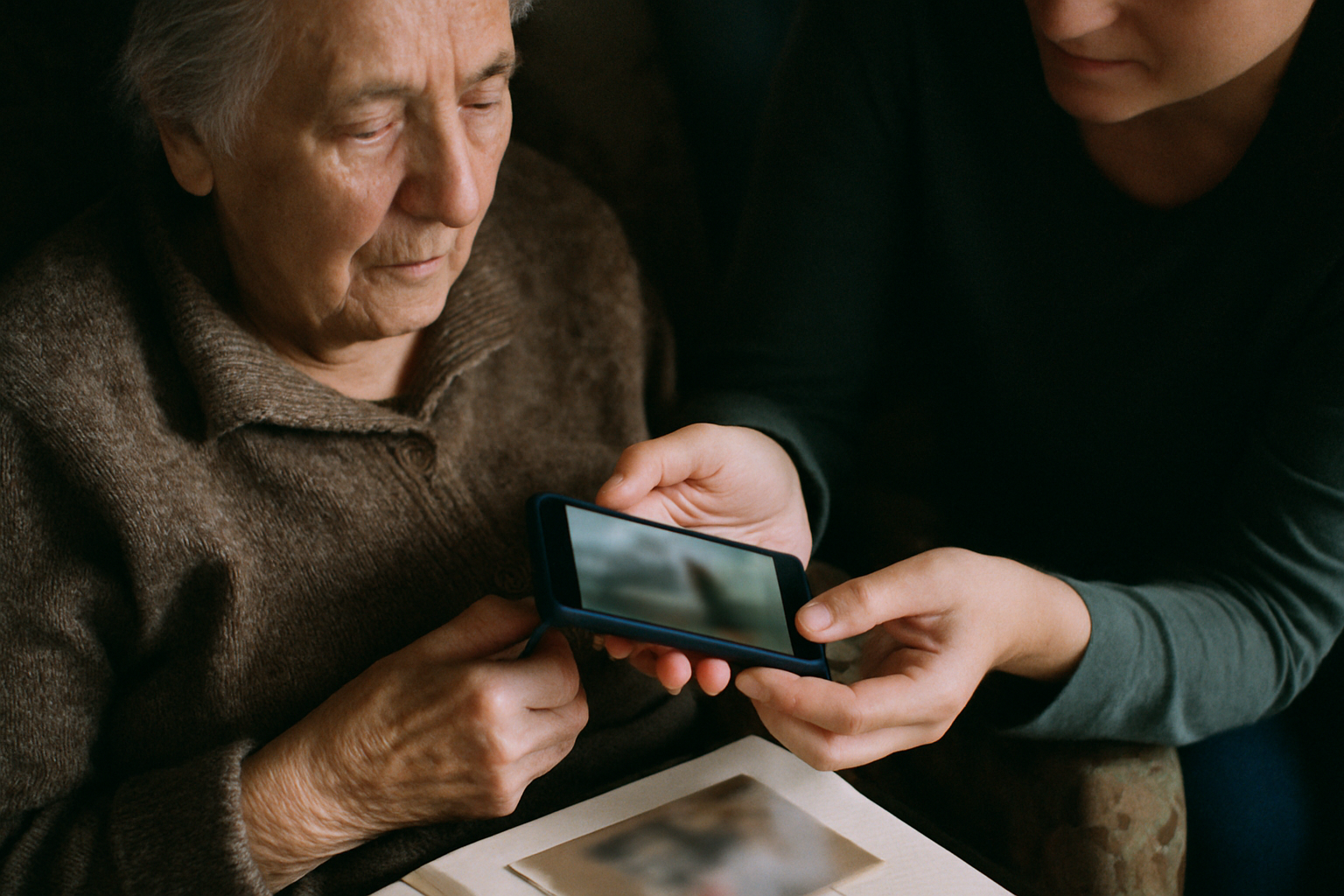
The quiet afternoons can be the hardest. The conversation stalls, the television hums, and the world outside the window seems to be moving on without you. When you’re caring for a parent or partner with dementia, the journey can feel incredibly lonely—not just for them, but for you, too. The person you’ve known your whole life is changing, and the dynamic of your relationship shifts from partnership to one of care and constant vigilance.
In these quiet moments, the desire for connection is profound. It’s a longing for a shared laugh, a new experience, or just a simple, comfortable moment together that isn’t defined by the diagnosis. It’s a need to see the person you love, not just the condition they’re living with. And for caregivers, it’s the need to be seen, too—to connect with others who truly understand the weight and the love involved in this role.
Fortunately, a growing number of community initiatives recognize this dual need. They understand that supporting the person with dementia means supporting the entire family unit. These programs are lifelines, creating spaces where connection can flourish again, reminding us that a rich, meaningful life is still possible.
The short answer
Free programs connecting seniors with dementia and caregivers often include community-based art or music therapy sessions, intergenerational meetups, memory cafes, and caregiver support groups. These initiatives aim to reduce isolation, stimulate cognitive function, and provide a supportive network. They create shared positive experiences, helping to strengthen the bond between caregivers and their loved ones while fostering a sense of community and well-being for both.
Why Connection is a Lifeline in Dementia Care
Dementia is often called a “two-person disease” because it profoundly impacts both the individual with the diagnosis and their primary caregiver. As cognitive abilities decline, social circles can shrink. Friends may not know what to say, and public outings can become stressful. This slow retreat into isolation can lead to depression and anxiety for everyone involved.
This is where community programs make a world of difference. They break the cycle of isolation by creating a safe, judgment-free environment. When a person with dementia participates in a group singing session or a simple art project, they are engaged in the present moment. These activities can tap into long-held skills and memories, boosting their confidence and mood. The focus shifts from what has been lost to what can still be enjoyed.
For the caregiver, these programs offer a moment of respite. You’re no longer just a caregiver; you’re a participant, sharing an experience with your loved one. You get to see them smile, engage, and connect with others. It's a powerful reminder of the person who is still there. Furthermore, being around other caregivers provides an invaluable, unspoken understanding. It’s a community that gets it, offering camaraderie and practical support that can be hard to find elsewhere. The cognitive benefits of storytelling and social engagement for seniors are well-documented, but the emotional benefits for the entire family are just as vital.
Types of Free Programs to Look For
While specific offerings vary by location, several types of free or low-cost programs have become cornerstones of community-based dementia care. When you search for resources in your area, these are the kinds of initiatives you’re likely to find.
Memory Cafes
These are informal, welcoming gatherings in places like coffee shops, community centers, or libraries. They provide a space for people with dementia and their caregivers to socialize, share stories, and enjoy activities in a relaxed atmosphere. There’s no agenda other than connection.
Arts and Music Programs
Many organizations offer programs centered on creative expression. This could be a choir for people with memory loss, a guided painting class, or a dance and movement session. Music, in particular, can unlock powerful emotional responses and memories, even in later stages of dementia.
Intergenerational Groups
Bringing seniors together with children or teenagers creates a unique and joyful energy. Activities might include reading stories to kids, tending a community garden, or working on a simple craft project together. These interactions provide a sense of purpose and pure, uncomplicated fun.
Caregiver Support Groups
These groups are specifically for you, the caregiver. They provide a confidential space to share challenges, celebrate small victories, and learn from the experiences of others. Many are facilitated by social workers or healthcare professionals who can offer expert guidance and resources.
To find these programs, a great first step is to contact your local Area Agency on Aging or the Alzheimer's Association. They maintain extensive lists of local resources and can point you in the right direction.
How Memory Preservation Complements These Programs
Community programs are brilliant at creating new, positive moments in the present. They help you and your loved one build new happy memories together. But what about the decades of stories and experiences that shaped who they are? Preserving that legacy is another, equally important form of connection.
A dementia diagnosis doesn't erase a person's life story. While their ability to recall it may fade, the story itself remains. Capturing it is an act of love—a way to honor their identity beyond the diagnosis. It’s a way to ensure that future generations know them not just as someone who had dementia, but as the person who built a business, who loved to fish, who told the best jokes, or who baked the most amazing apple pie.
This is why we built Memory Murals. It's a private, gentle space to gather these stories. It complements the in-person connection of community programs by creating a lasting archive of your family’s unique history. While a music class provides joy for an afternoon, a recorded story about your mom's first dance provides connection for a lifetime. Learning how to preserve a parent's stories after a dementia diagnosis is a proactive step you can take to safeguard their legacy.
Creating New Moments, Preserving Old Ones
Think of it as a two-part approach to well-being. Community programs help you live the best life possible today by fostering in-the-moment connection and reducing isolation. Memory preservation helps you honor the life that was lived before, ensuring that the essence of your loved one is carried forward for generations to come. Both are powerful ways to fight back against the losses of dementia.
Practical Tips for Recording Memories
The idea of “interviewing” a parent with memory loss can feel daunting. The key is to remove any pressure. This isn't a test; it's a conversation. The goal isn't perfect recall, but connection.
A Simple Way to Start a Story
Find a Calm Moment
Choose a time of day when your loved one is typically most relaxed and alert. Create a comfortable setting with no distractions. A cup of tea and an old photo album can work wonders.
Use a Sensory Prompt
Instead of direct questions, use a prompt. It could be an old photograph, a favorite song, or a familiar object. Say, “Dad, tell me about this car,” not “Do you remember this car?” Open-ended prompts invite stories rather than testing memory.
Listen More Than You Talk
Let the story wander. If they repeat themselves or get a detail wrong, that’s okay. The emotional truth of the memory is what matters most. Your role is simply to listen with love and capture what they share.
Record in Their Voice
The sound of a loved one's voice is a treasure. Use your phone or the Memory Murals app to easily record their voice before dementia progresses. A short, two-minute clip telling a favorite story is an incredibly powerful keepsake.
Save it Privately
Once you've captured a story, photo, or voice note, save it somewhere safe and private. A dedicated family archive ensures these precious moments aren't lost on a social media feed or an old device. In Memory Murals, you can add context, tag family members, and build a beautiful, collaborative history over time.
By focusing on the connection, not the content, you can transform memory-keeping from a task into a meaningful activity you share. It’s a way to spend quality time together, celebrating the rich life they’ve lived. If you're looking for a simple, secure place to begin, you can start your family's private archive today.
Caring for someone with dementia is a journey of profound love, patience, and resilience. You don't have to walk it alone. By tapping into free community programs, you can find support and create new moments of joy. And by gently preserving the stories of a lifetime, you ensure that the essence of the person you love will continue to connect your family for generations to come.
Get 50 questions to ask your parents — before the stories are gone
The exact prompts families use to draw out the stories nobody ever wrote down. Free, straight to your inbox.
No spam. Unsubscribe anytime.
Frequently asked questions
What are memory cafes for people with dementia?
A memory cafe is an informal, welcoming gathering for individuals with dementia and their caregivers. They offer a safe, supportive environment to socialize, enjoy activities like music or games, and connect with others who understand their journey. These cafes are not a form of clinical care but focus on reducing isolation and fostering positive social experiences for both the person with dementia and their family.
How can I find free dementia support programs near me?
To find free local programs, start by contacting your local Area Agency on Aging, the Alzheimer's Association chapter, or nearby senior centers. Hospitals and community centers often host support groups or activity sessions. Searching online for terms like 'memory cafe near me' or 'dementia caregiver support group [your city]' can also yield excellent, up-to-date results for community-based initiatives.
What are the benefits of intergenerational programs for seniors with dementia?
Intergenerational programs, which bring seniors together with children or young adults, offer significant benefits for those with dementia. These interactions can reduce feelings of loneliness, spark positive memories, and provide a sense of purpose and joy. The spontaneity and energy of young people can be cognitively stimulating and emotionally uplifting, creating precious moments of connection that benefit all participants.
Why is social connection so important for dementia caregivers?
Social connection is a lifeline for dementia caregivers, who often face high levels of stress, burnout, and isolation. Connecting with others through support groups or community programs provides emotional validation and reduces feelings of being alone. It offers a space to share experiences, learn practical coping strategies, and simply take a break from the demands of caregiving, which is essential for maintaining their own well-being.
Related Stories
How-To Guides
How to Preserve a Parent's Stories After a Dementia Diagnosis — A 2026 Guide
A diagnosis doesn't take everything at once. Here's a 2026 practical guide to recording your parent's stories at every stage — what to capture first, how to interview without pressure, and where these recordings should live.
The Memory Murals Team • May 14, 2026
Insights
Beyond Legacy: The Surprising Cognitive Benefits of Storytelling for Seniors
We often think of preserving family stories as a gift for future generations. But what if the greatest benefits of storytelling for seniors are for the storytellers themselves? From boosting memory recall to fighting social isolation, the act of sharing a life story is a powerful tool for cognitive and emotional well-being.
The Memory Murals Team • June 29, 2026

Insights
Alzheimer's & Memory Loss: New Links to Inflammatory Processes
New research is uncovering a surprising link between inflammation and the brain changes seen in Alzheimer's disease. While science works on treatments, this complex connection highlights the urgency for families to preserve precious memories. Understanding the 'why' behind memory loss can empower us to focus on what matters most: the stories that define a life.
The Memory Murals Team • August 16, 2026
Keep what's left of their voice.
A private place for the recordings, photos and stories — no feed, no algorithm, nobody else's eyes on it.