
Memory, Inflammation, and Alzheimer's: What's New?
New research is uncovering a surprising link between inflammation and the brain changes seen in Alzheimer's disease. While science works on treatments, this complex connection highlights the urgency for families to preserve precious memories. Understanding the 'why' behind memory loss can empower us to focus on what matters most: the stories that define a life.
The Memory Murals Team • August 16, 2026
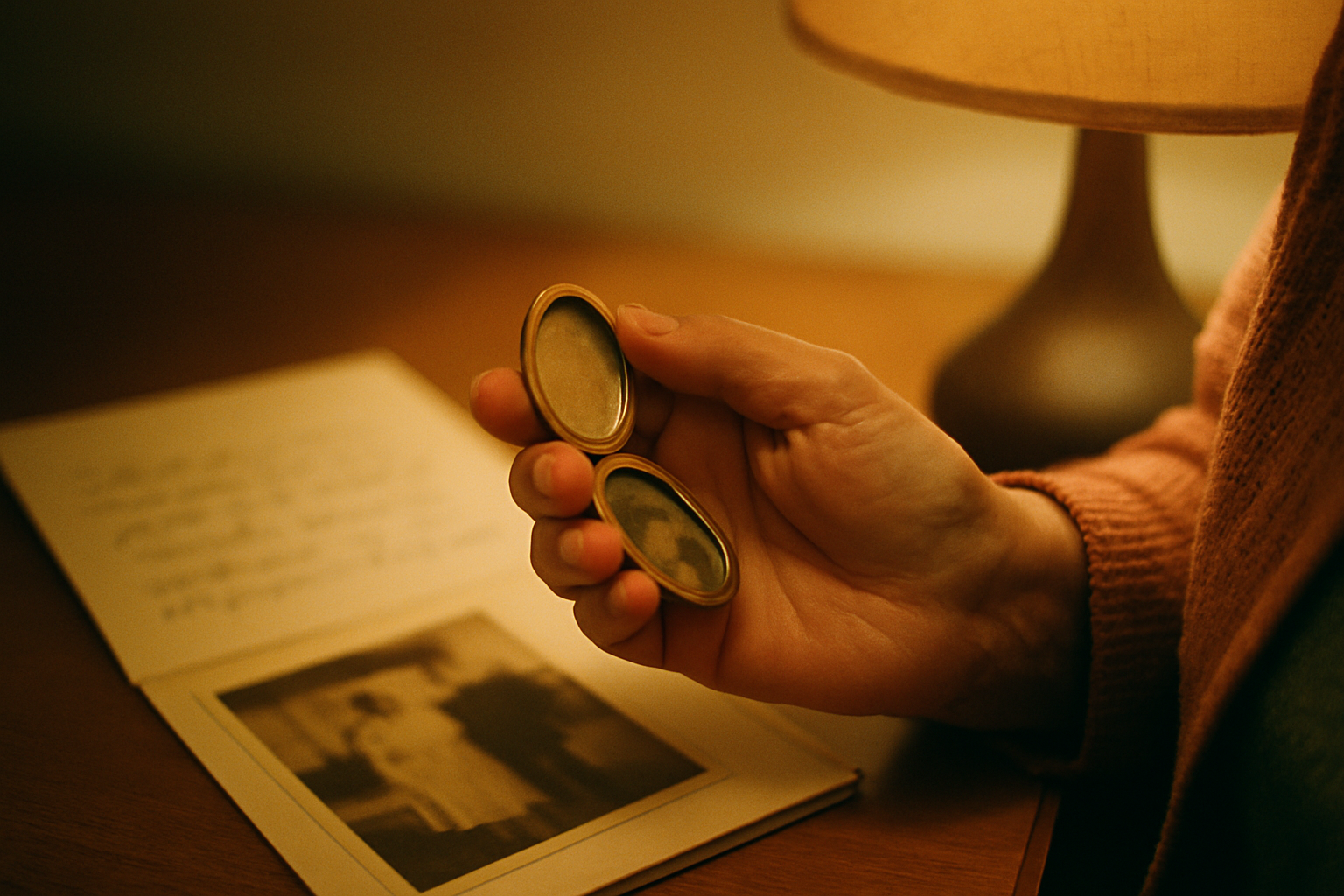
It often starts quietly. A forgotten name, a story told for the third time in an hour, a hesitation where certainty used to live. For families navigating the early stages of cognitive decline, these moments are more than just frustrating—they're unsettling signs of a map being slowly erased.
Watching someone you love struggle to grasp a memory that was once a cornerstone of their identity is a profound and difficult experience. You see the person, the personality you know so well, searching for the words, for the thread of a narrative that has defined them.
As researchers work to understand the complex biological processes behind diseases like Alzheimer's, families are left in the present, grappling with the changes. A recent breakthrough offers a new perspective on the disease, but it also reinforces a timeless truth: while we wait for scientific cures, our most powerful tool is the preservation of the story itself.
The short answer
Recent scientific findings reveal new complexities in Alzheimer's and memory loss: new links to inflammatory processes in the brain are now understood to be directly tied to brain shrinkage and cognitive decline. According to research highlighted by UC Irvine News, different types of inflammation correlate with these symptoms. For families, this underscores that the causes are multifaceted and a cure isn't imminent, making it more crucial than ever to proactively preserve a loved one's life stories and memories before they fade.
A New Piece of the Puzzle: Inflammation
For decades, the conversation around Alzheimer's disease has been dominated by two key culprits: amyloid plaques and tau tangles. These were seen as the primary drivers of the damage that leads to memory loss. But the picture is proving to be far more intricate.
New research is shining a light on a third major factor: neuroinflammation, or inflammation within the brain. The brain has its own specialized immune cells, and their response to perceived threats is a critical part of its defense system. However, when this response becomes chronic or dysfunctional, it can cause harm instead of helping.
According to UC Irvine News, researchers have found that 'Different inflammatory processes [are] tied to the same Alzheimer's disease-related brain shrinkage and memory loss.' This is a significant finding. It suggests that inflammation isn't just a byproduct of the disease—it's an active participant in the process, contributing directly to the neurological damage. It helps explain why the disease progresses differently in different people and opens up new avenues for potential treatments.
Why This Matters for Your Family
The takeaway from this evolving science isn't one of despair, but of focus. Understanding that Alzheimer's is a complex condition with multiple contributing factors reinforces that there will be no simple, overnight cure. While we hold out hope for medical advancements, we cannot afford to wait.
The progression of the disease is a process of subtraction, slowly taking away access to a person's own history. This is why the focus for families must shift from the biology of the brain to the biography of the person. The most meaningful action you can take in the face of a diagnosis is to begin 'memory banking'—proactively and lovingly gathering the stories, wisdom, and personality of your loved one.
This isn't just about documenting facts and dates. It's about capturing the essence of who they are. It’s a way to honor their life and ensure their legacy is not defined by their illness, but by the richness of their experiences. For guidance on how to approach this sensitive task, our article on how to preserve a parent's stories after a dementia diagnosis offers gentle, practical steps.
Capturing Their Essence
Recording stories in their own voice preserves their unique humor, their turns of phrase, and the emotion behind the words—details a written summary can never fully capture.
Creating a Living Legacy
This collection becomes an invaluable gift for grandchildren and future generations, allowing them to know the person beyond the disease.
A Tool for Connection Now
Revisiting these recorded memories together can be a powerful tool for connection, sparking moments of clarity and shared joy even as the disease progresses.
A Source of Future Comfort
For the family, having this archive provides immense comfort in the years to come, a way to hear their voice and feel their presence long after they're gone.
How to Start the Conversation
Knowing you should start recording stories and actually doing it are two different things. It can feel awkward or even sad to begin. The key is to approach it not as an urgent, somber task, but as a natural extension of your time together.
Create a calm, comfortable setting. Don't spring a formal interview on them. Instead, pull out an old photo album and let the pictures do the work. Ask simple, open-ended questions like, 'What do you remember about this day?' or 'Tell me about the people in this photo.' The goal is to spark a memory, not to test it. There are profound cognitive benefits to storytelling for seniors, as it engages the mind and reinforces identity.
Most importantly, use your phone to record the audio. The sound of their voice, the cadence of their speech, their laughter—these are the details that matter most. It’s a simple act with a profound impact, a way to record your parent's voice before dementia progresses further.
The Power of a Single Question
Sometimes, all it takes is the right prompt to unlock a flood of memories. Instead of broad questions like 'What was your childhood like?', try something more specific and evocative: 'What's the best piece of advice your own mother ever gave you?' or 'Tell me about the first car you ever owned.' These small, sensory questions can often lead to the most wonderful and unexpected stories.
Where Memories Live On
Once you begin collecting these precious recordings, photos, and notes, you need a safe, permanent home for them. A folder on a computer is easily lost, and a social media feed is the wrong environment entirely—public, ephemeral, and designed for fleeting reactions, not deep reflection.
A family's story deserves a dedicated, private sanctuary. It needs a place where context can be added, where a photo can be paired with a voice recording telling its story, and where everything can be organized into a coherent timeline of a life well-lived.
We built Memory Murals to be this quiet, secure home for these irreplaceable stories. It’s a space designed for reflection, not reaction, where your family's history is protected and honored. You can combine photos, video clips, and audio recordings to build a rich, multi-layered biography that can be securely shared with family, now and for generations to come. You can begin building your family's private archive today at https://app.memorymurals.com/signup.
As science continues to unravel the mysteries of the brain, the path forward for medicine will hopefully become clearer. But for families living in the here and now, the path is already clear. The work is not in a laboratory, but in the living room. It's in the patient listening, the gentle questioning, and the simple act of pressing 'record.' It's in honoring a life by preserving its story, ensuring that the person is always remembered for more than their diagnosis.
Get 50 questions to ask your parents — before the stories are gone
The exact prompts families use to draw out the stories nobody ever wrote down. Free, straight to your inbox.
No spam. Unsubscribe anytime.
Frequently asked questions
What is the new link between inflammation and Alzheimer's?
Recent research suggests that different types of inflammation in the brain are linked to the specific patterns of brain shrinkage and memory loss seen in Alzheimer's disease. This moves beyond the traditional focus on amyloid plaques and tau tangles, indicating that the body's immune response plays a significant and complex role in the disease's progression. It highlights that Alzheimer's is not caused by a single factor but a combination of biological processes.
Does inflammation in the body cause memory loss?
While not a direct cause in all cases, chronic inflammation can contribute to conditions that affect brain health and memory. The new research specifically points to neuroinflammation—inflammation within the brain—as being closely tied to the changes that lead to Alzheimer's symptoms. This connection underscores the importance of a healthy lifestyle that manages systemic inflammation, which can have a protective effect on cognitive function over the long term.
Why is preserving memories important after a dementia diagnosis?
Preserving memories becomes crucial after a diagnosis because it captures a person's life story and identity before they are significantly altered by the disease. It provides a rich resource for family members to connect with their loved one, stimulate conversation, and reminisce together, which can be comforting. These recorded stories also become an invaluable legacy for future generations, ensuring the person's essence and experiences are never truly lost.
How can I help a parent with memory loss share their stories?
Start with gentle, open-ended questions about their past, using old photos, music, or objects to spark recall. Create a calm, comfortable environment without pressure or interruptions. Listen patiently, and don't correct inaccuracies; the emotional truth is more important than perfect facts. Recording their voice adds a powerful layer of personality. The goal is connection, not a perfect interview, so focus on making the experience pleasant and affirming for them.
Can storytelling help someone with Alzheimer's?
Yes, engaging in storytelling and reminiscence therapy can have significant cognitive and emotional benefits for people with Alzheimer's. It can help stimulate memory, improve mood, reduce agitation, and reinforce a sense of identity and self-worth. Sharing familiar stories provides a comforting and empowering activity, allowing them to connect with their past and with family members in a meaningful way, even as other cognitive abilities decline.
Related Stories
How-To Guides
How to Preserve a Parent's Stories After a Dementia Diagnosis — A 2026 Guide
A diagnosis doesn't take everything at once. Here's a 2026 practical guide to recording your parent's stories at every stage — what to capture first, how to interview without pressure, and where these recordings should live.
The Memory Murals Team • May 14, 2026
Insights
Beyond Legacy: The Surprising Cognitive Benefits of Storytelling for Seniors
We often think of preserving family stories as a gift for future generations. But what if the greatest benefits of storytelling for seniors are for the storytellers themselves? From boosting memory recall to fighting social isolation, the act of sharing a life story is a powerful tool for cognitive and emotional well-being.
The Memory Murals Team • June 29, 2026
Insights
Artificial Sweeteners & Memory Decline: What a New Study Found
A recent study suggests a potential link between artificial sweeteners and accelerated memory decline. We'll explore what this research means for you and your family, and discuss simple dietary choices that can help support long-term cognitive health and preserve precious memories.
Patrick Moore • July 27, 2026
Keep what's left of their voice.
A private place for the recordings, photos and stories — no feed, no algorithm, nobody else's eyes on it.