A 'First Year' Memory Capsule for Your Baby
The first year flies by in a blur of sleepless nights and incredible firsts. This guide helps you move beyond just snapping photos, showing you how to intentionally create a digital 'first year' memory capsule—a collection of stories, sounds, and moments your child can explore for years to come.
Patrick Moore, Founder • June 24, 2026
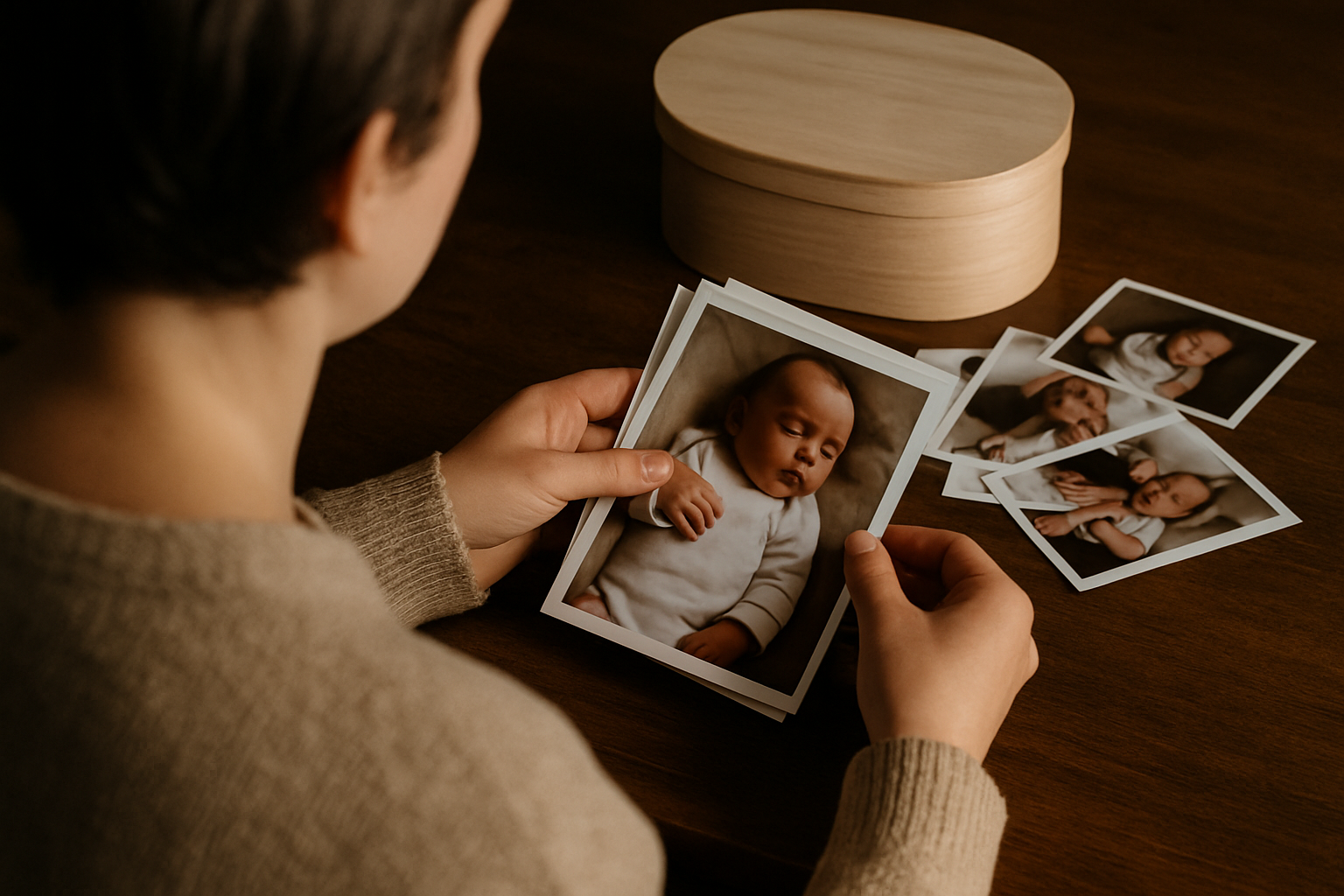
The other day, I found a single, impossibly small sock tucked away in a drawer, a casualty of a long-forgotten laundry day. My son is seven now, all lanky limbs and loud opinions. But holding that tiny piece of striped cotton, I was instantly transported back to the quiet, blurry, overwhelming world of his first year.
I remembered the feel of his curled toes in my palm. The specific, milky scent of his hair. The weight of his sleeping body on my chest. I have thousands of photos from that year, a digital mountain of evidence that it all happened. But the photos don't hold the sound of his first real giggle, or the story of how we spent an entire afternoon just watching dust motes dance in the sunlight from his nursery window.
Those are the things that fade. The photos mark the time, but the stories and sounds are the texture, the feeling, the lifeblood of the memory. That's when I realized the difference between a camera roll and a time capsule. One is a database; the other is a story waiting to be told.
The Short Answer
To create a baby first year memory capsule, choose a secure digital home for your memories. Intentionally gather more than just photos: include short video clips of milestones, audio recordings of their first sounds and your lullabies, and written notes about your hopes and the little moments. Regularly add context with captions and voice notes. The goal isn't to save everything, but to curate a rich, multi-sensory collection that tells the story of their first year for their future self to discover.
Why a Capsule Beats a Camera Roll
We're the first generation of parents with the ability to document everything. It's a blessing and a curse. Having 10,000 photos on your phone can feel less like a treasure chest and more like a storage unit you're afraid to organize. The sheer volume can be paralyzing, and the lack of context can render the images almost meaningless to a future viewer (even your future self).
A memory capsule is different. It's an act of curation. It's the decision that this moment, this sound, this story is worth preserving with intention. It's about quality over quantity, narrative over data. It’s the difference between handing your child a dictionary versus a beloved storybook.
A Curated Story
A memory capsule tells a coherent narrative. By selecting the most evocative pieces and adding your own voice, you create a guided tour of their first year, full of meaning and emotion.
A Chaotic Archive
A simple camera roll is an overwhelming, unorganized data dump. Thousands of photos without context can feel impersonal and lose their power, becoming digital clutter rather than cherished memories.
What to Collect (and How)
The magic of a first-year capsule is in its multi-sensory approach. You're trying to capture the feeling of that year. Think beyond the big milestones like first steps or first solids (our free baby milestone tracker has you covered on those). What were the small, everyday moments that truly defined that time? Here are a few categories to focus on.
The Mundane Magic
Capture the texture of daily life: the well-worn board book, the view from their window, the impossibly messy post-meal smile. These details are often more evocative than the posed milestone photos. If you're overwhelmed with where to start, check out some tips for how to organize baby photos on your iPhone.
The Soundtrack of Year One
Audio is pure time travel. Use your phone's voice memo app to record their first words and sounds—the coos, the gurgles, the first real belly laugh. Record yourself singing their favorite lullaby or the sound of their white noise machine. These sounds will transport them (and you) back instantly.
Stories from the Source
This is the heart of the capsule. Write short notes to your future child. Why did you choose their name? What was your biggest, secret fear in those first few weeks? What was the funniest thing they did? Document the baby milestones you'll otherwise forget, but add the story behind them.
The Moving Pictures
Short video clips—15 to 30 seconds—are powerful. Don't worry about cinematic quality. Capture their fascination with the cat, the determined crawl across the living room rug, the splashy chaos of bath time. The raw, unedited moments are often the best.
Assembling Your Digital Time Capsule
Once you start gathering these ingredients, you need a place to put them. This process isn't about doing it all at once. It's a slow, gentle practice throughout the first year. A few minutes here and there is all it takes.
A Simple Workflow for Your Capsule
Choose a Private Home
Your baby's story is sacred. Social media is for sharing, but a capsule is for preserving. A dedicated, private platform is essential. We built Memory Murals for exactly this purpose—to be a permanent, ad-free, and secure home for your family's most important stories. It's a place to create a private, secure family archive that you control completely.
Curate with Heart
You're a curator, not an archivist. You don't need to save everything. Once a week or once a month, look through your photos and videos and choose one or two that truly capture a feeling or a memory. Your goal is emotional impact, not exhaustive documentation. Less, but better.
Add Your Voice (The Magic Step)
This is the most crucial part. A photo shows what happened; your story explains what it felt like. When you add a photo to your capsule, take 30 seconds to record a voice note or type a short caption. "This was the first time you really laughed, a full-body-shaking giggle. It was because the dog sneezed, and you thought it was the most hilarious thing in the world. I cried."
Invite the Village
The story of your baby's first year includes other loving voices. Invite grandparents, aunts, uncles, or chosen family to contribute a memory. A short voice note from a grandparent sharing their hopes for the new baby, or a story from a sibling, is an incredible gift to include in the capsule.
A Letter to My One-Year-Old
A powerful addition to your capsule is a letter or voice note you record on their first birthday. Speak directly to your future child. Describe the baby they were, the parent you became in that first year, and your hopes for the person they'll grow into. It's a snapshot of your relationship at the very beginning, raw and full of love. Seal it in the capsule as the centerpiece.
When and How to Share It
This capsule isn't really for their first birthday party. A one-year-old is more interested in the wrapping paper. This is a long-term gift, a gift for the person they will become.
Imagine sitting with your ten-year-old and not just showing them a photo of themselves as a baby, but playing them the sound of their own laugh, or your voice singing them to sleep. Imagine them hearing a story, in your own words, about the day they were born. This is more than nostalgia; it's a foundational piece of their identity.
It's a way for them to understand their own story, to feel the roots of the love that surrounds them. In Memory Murals, you can organize these moments into a beautiful, flowing narrative. And because it's built for the long haul, you can be confident it will all be there, safe and sound, when they're ready. When you're ready to start building this gift for your child, you can get started here.
This capsule you're building isn't a project to be perfected. It's a practice of paying attention. It's a conversation you're starting with a person who doesn't exist yet—the future version of your child. You're leaving them a trail of breadcrumbs back to the very beginning.
And one day, they will follow it. They will get to meet themselves through your eyes, and feel, across time, the profound and overwhelming love of that very first year. It's a way of saying, 'This is where you began. This is how much you were loved, right from the very start.'
Get 50 questions to ask your parents — before the stories are gone
The exact prompts families use to draw out the stories nobody ever wrote down. Free, straight to your inbox.
No spam. Unsubscribe anytime.
Frequently asked questions
What should I put in a baby's first year memory capsule?
A baby's first year memory capsule should include a curated mix of media. Go beyond photos of major milestones and include short videos of daily moments, like bath time. Add audio clips of their first coos, laughs, and even your own voice singing a lullaby. Most importantly, include written stories or voice notes from you, the parents, explaining the context, your feelings, and your hopes. This narrative context is what brings the memories to life for your future child.
How do you make a digital time capsule for a baby?
To make a digital time capsule, first choose a private, secure platform designed for long-term preservation, not social sharing. Regularly upload a curated selection of photos, videos, and audio files. The key is to add context to each item: write a caption, record a voice note explaining the memory, and tag the people involved. Think of it as building a private, interactive storybook of their first year that they can explore when they are older.
What is the best way to store baby photos and videos long-term?
The best way to store baby photos and videos is in a private, secure, and backed-up digital archive. While phone camera rolls are convenient for capture, they are not ideal for long-term preservation. A dedicated service like Memory Murals offers a permanent, ad-free home for these files, allowing you to add crucial context like stories and voice notes. This ensures the memories are not just saved, but are also understandable and emotionally resonant for future generations.
Why is it important to record stories, not just photos?
Photos show what a moment looked like, but stories convey what it felt like. Recording the story behind a photo—why everyone was laughing, what you were thinking at that moment, the significance of a simple object—is what gives a memory its emotional weight. For a child exploring their own history, these narratives are the connective tissue that turns a collection of images into a deep and meaningful understanding of their own beginning and their family's love for them.
When should I give my child their first-year memory capsule?
There's no single right age, but this gift is generally not for their first birthday. The capsule's true value emerges as your child develops a stronger sense of self and curiosity about their past. Sharing it around age eight, ten, or even as a teenager can be incredibly powerful. You can treat it as a living archive, revealing it to them and then continuing to add new memories together, making it a foundation for their ongoing life story.
About the author
Patrick Moore, Founder of Memory Murals
Patrick Moore is the founder of Memory Murals. He built it after realizing how much of his own family's history had quietly slipped away — to help families preserve their stories, voices, and photos while they still can.
Related Stories

How-To Guides
How to Organize Baby Photos on iPhone: A New Parent's Guide
The first few months with a new baby are a blur of joy, exhaustion, and a thousand photos a day. If your iPhone's camera roll has become a chaotic sea of nearly identical sleepy smiles, you're not alone. This guide offers a simple, sustainable system to bring order to the adorable chaos.
Patrick Moore • June 15, 2026

Insights
Baby Milestones You'll Forget If You Don't Write Them Down
You'll remember the first steps. You won't remember the exact day they figured out how to clap. Here's why the small milestones matter most — and how to make sure they don't disappear.
Patrick Moore • April 17, 2026
How-To Guides
Beyond Photos: Creative Ways to Preserve Your Baby's Sensory Memories
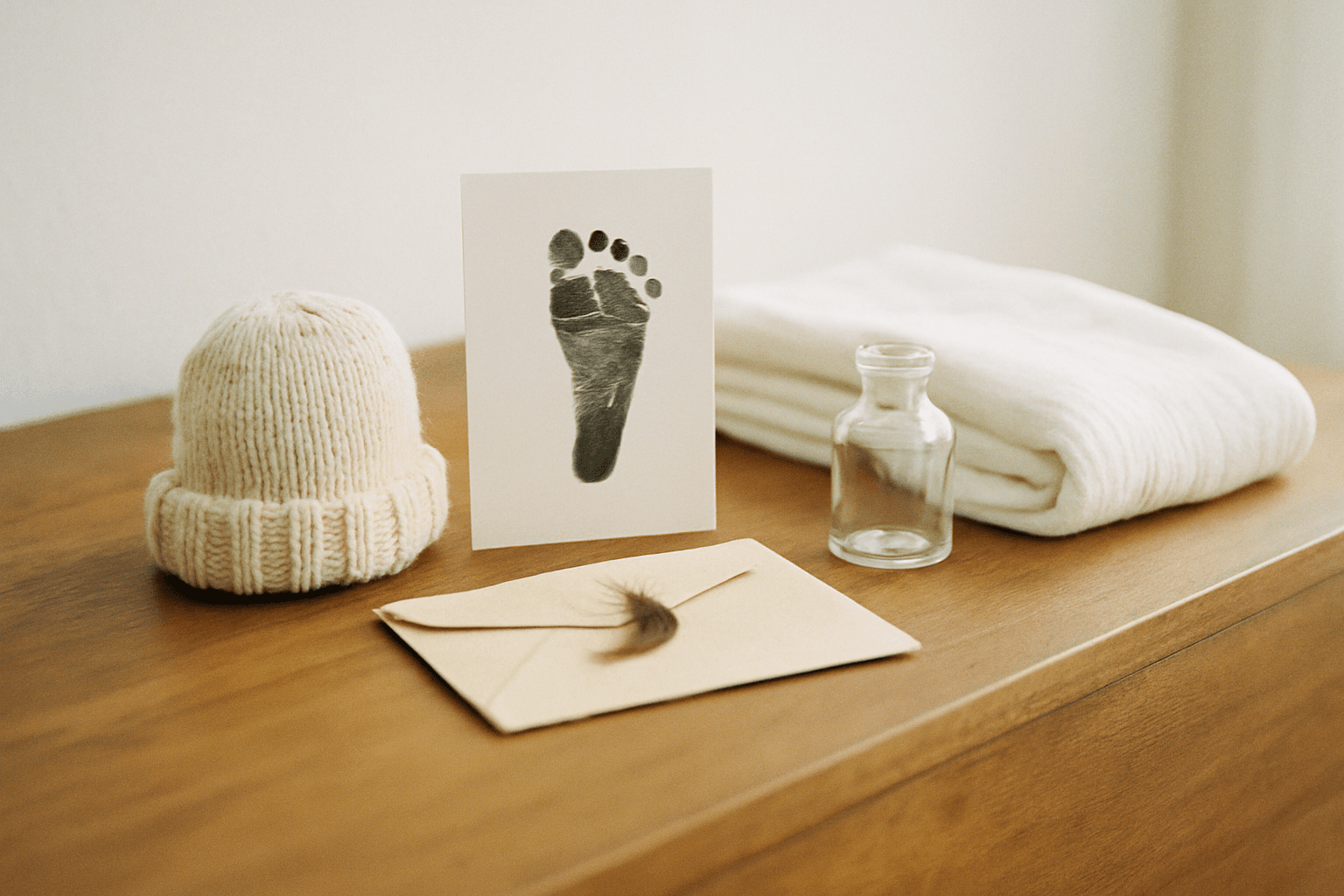
Your phone is full of photos, but what about the memories a camera can't capture? This guide explores creative, simple ways to preserve the fleeting sensory details of your baby's first year—the smells, textures, and feelings you'll want to remember forever.
Patrick Moore • June 26, 2026
The first year is the one you'll want back.
Record the voices, keep the photos that matter, and write down why you chose the name. Free to start.